
Navigating the world of nutraceutical production requires a deep understanding of how Dietary Supplement Manufacturing Factories operate, from raw material intake to finished goods shipping. These facilities are not one-size-fits-all; some specialize in high-speed encapsulation of dry powders, while others focus on complex liquid extractions or gummy production lines. Unlike standard food processing plants, the regulatory burden on supplement manufacturers is significantly higher than on general food producers, requiring dedicated quality assurance teams and continuous environmental monitoring.
For smaller runs, some factories maintain low-volume encapsulators that allow for batch sizes as small as 1,000 bottles, which is ideal for startups testing market response. Meanwhile, gummy manufacturing involves complex depositing systems, starch molding, and oil-coating drums, all of which require experienced technicians to prevent sticking or crystallization.
Most quality-driven facilities will perform identity tests using Fourier-transform infrared spectroscopy or high-performance liquid chromatography on every incoming shipment of vitamins, minerals, or botanical extracts. Any factory that shortcuts this step by storing untested ingredients alongside ready-to-use materials is operating outside cGMP guidelines, putting your brand at risk of a recall.
Stability chambers Click That Link simulate various temperature and humidity conditions over 6 to 12 months help determine expiration dates and appropriate packaging materials. However, brands should clarify who holds the master formulas and specifications; some factories claim ownership of proprietary blending processes, which can complicate moving production to another facility later.
A large facility with million-count encapsulators may require a minimum run of 500,000 capsules to justify setup and cleaning costs, whereas smaller boutique factories might accept orders as low as 10,000 units. When requesting quotes, ask for a breakdown that includes tooling fees, batch record review charges, and any surcharges for allergen changeover protocols if your product contains soy, dairy, or gluten.
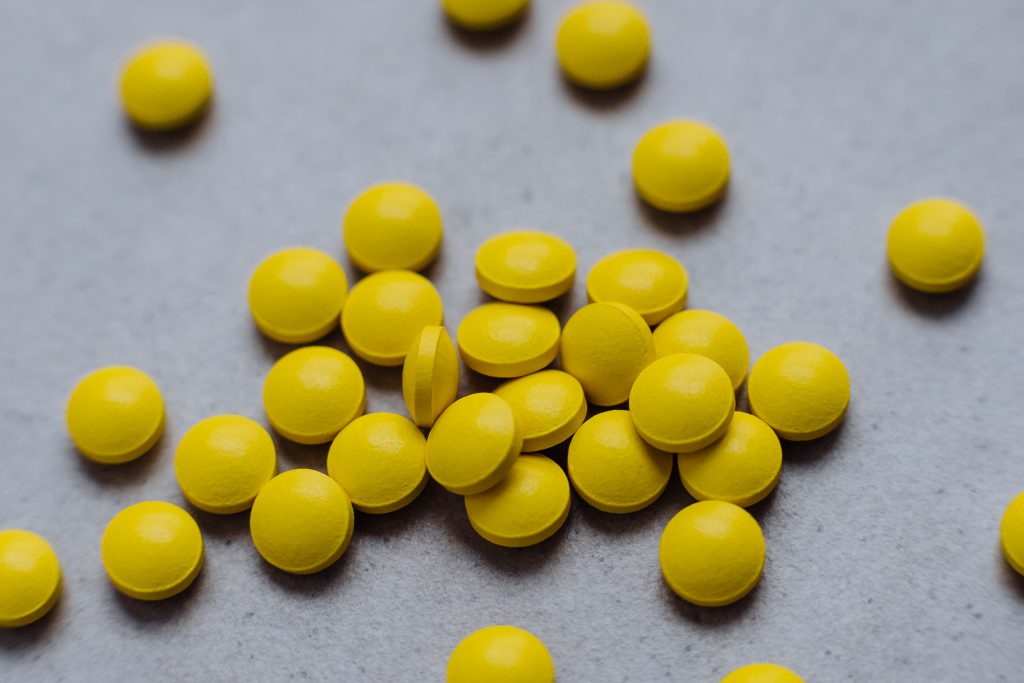 By thoroughly vetting these operational and quality aspects, brands can build a long-term partnership with a factory that grows alongside their product portfolio.
- ID: 107977
Be the first to review “An Analysis Of Dietary Supplement Production Websites”


Reviews
There are no reviews yet.