
The click-clack mechanism has a flaw. If you leave the seat in the open position for a few hours, the sofa looks like a half-unfolded origami project. I once forgot to close it before a dinner party. A guest arrived early and sat directly on the exposed slatted frame. She laughed, but I died a little. The solution is to treat the conversion as a deliberate action. You convert the sofa to a bed only when the last dish is dried and the kitchen lights are dimmed. It forces a rhythm: kitchen is for cooking, sofa is for sitting, bed is for sleeping. The three states must never over
The final piece of the puzzle is the little details that make daily use smoother. Soft close hinges on all cabinets save you from slammed doors at midnight when you’re grabbing a glass of water. Drawer dividers keep utensils sorted, and a peg system inside a deep drawer holds pots and lids upright. I have a small magnetic board on the wall for reminders and a chalkboard section on the fridge for grocery lists. The trash pull out has two bins, one for recycling and one for waste, with a charcoal filter to cut odors. I also keep a step stool that folds flat and stores between the fridge and the wall, because I’m short and the upper shelves are high. Every decision came from a specific frustration: the counter that showed every crumb, the cabinet that swallowed my slow cooker, the sink that splashed water everywhere. The kitchen I ended up with isn’t perfect, but it works for how I actually live, not how I imagined I would.
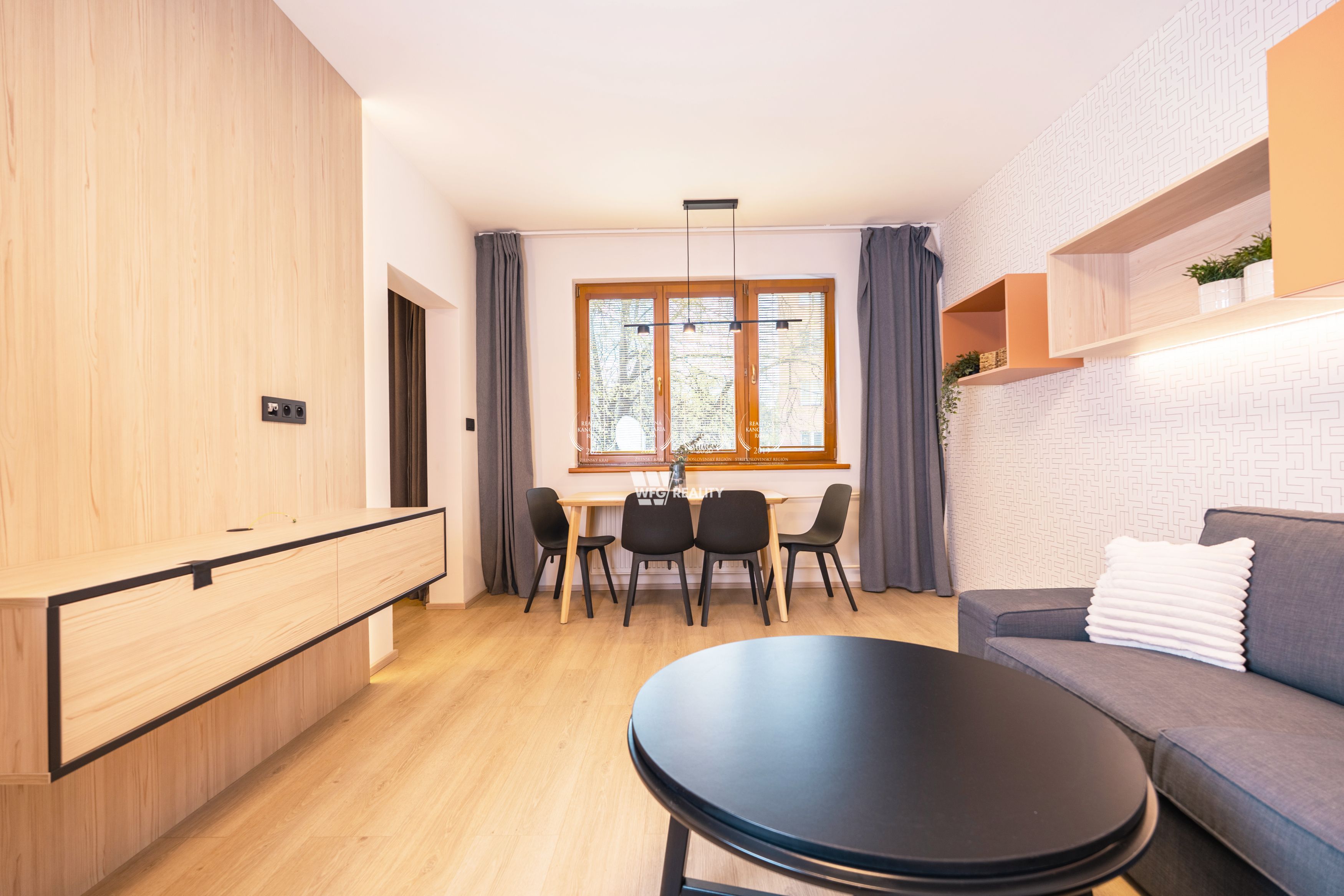 Lighting in a kitchen is often an afterthought, but it should be the first thing you plan. I learned this the hard way after installing beautiful pendant lights that cast shadows right where I chop onions. Now I layer three types: from recessed cans, task from under cabinet LED strips, and accent from a small track light over the sink. The under cabinet lights are on a dimmer so they don’t blind me at 6 AM when I’m making coffee. I also added a slim 30 cm wide window above the sink where there was none before. It was expensive to cut through the exterior wall, but now I get natural light that shifts with the day. The countertop reflects it, making the whole room feel bigger. For evening cooking, I have a small lamp on the counter with a warm bulb. It softens the harsh overhead glow and makes the space feel like a room, not a lab.
The click-clack mechanism also allows the sofa back to recline through three positions, which turns the sofa into a lounger during homework time. But here is the trick that most guides skip. You need to measure the folded depth of the pull-out sofa before you buy it. Many click-clack sofas fold out to a sleeping surface that is 190 cm long, but they require 110 cm of floor clearance in front. In a room that is only 3 meters long, that leaves less than 2 meters for the desk and wardrobe. I solved this by placing the sofa bed against the shorter wall and angling the desk into the corner. The angled layout created a natural L-shape that felt intentional rather than cramped. The pull-out sofa also works well for overnight guests because you can leave it in bed mode during the day if your child is home sick. One afternoon of staring at a unmade bed was enough to convince my son to fold it back himself before sch
I have lived with this setup for eighteen months now, and the velvet upholstery on the sofa bed has held up better than any linen or cotton I have used. Velvet hides pet hair, which is a minor miracle, and the fabric does not pill where the click-clack mechanism folds. When I first searched for an intelligent home solution, I imagined something with screens and voice assistants that would tell me the weather while I brushed my teeth. What I got was a sofa that knows how to stretch out on command and a bed that eats my blankets. That is more useful to me than a refrigerator camera. I can already see what is in my fridge by opening the door. I could not, however, see a way to fit a guest bed into my apartment without sacrificing my dining ta
The kitchen. It is the engine room of the house. But mine came with a brutalist concrete floor and a footprint so small you could pivot from the stove and touch the sink. For months, the only seating was a wobbly stool that I used to prop the recycling bin open. Then I found a vintage metal cafe table, the kind with the chipped enamel top, and I knew I needed a place for guests to sit. But my dining table doubled as my desk, and my living room was a corner of the bedroom. The solution arrived on a flatbed truck, and it was an abomination of logic: a sofa bed for the kitc
The last piece of the puzzle is making the room feel intentional rather than cramped. Choose a single strong color for the walls, a pale sage or a soft clay, and let the velvet upholstery in navy or mustard provide the contrast. Keep the window uncovered except for a simple roller blind. Heavy curtains eat visual space. Place a small wall lamp above the sofa so your child can read without a clunky floor lamp blocking traffic. The bed with storage beneath it can hold out of season clothes while the pull-out sofa handles the bedding. When the room works on a Tuesday afternoon and a Friday night sleepover, you know you have cracked the code. Your kids will not notice the clever mechanism or the slatted frame. They will just see a place that feels like the
- ID: 144695
Be the first to review “The Realities of Kitchen Design”


Reviews
There are no reviews yet.