
Gambling is a unique form of entertainment that taps directly into the reward centers of the human brain.
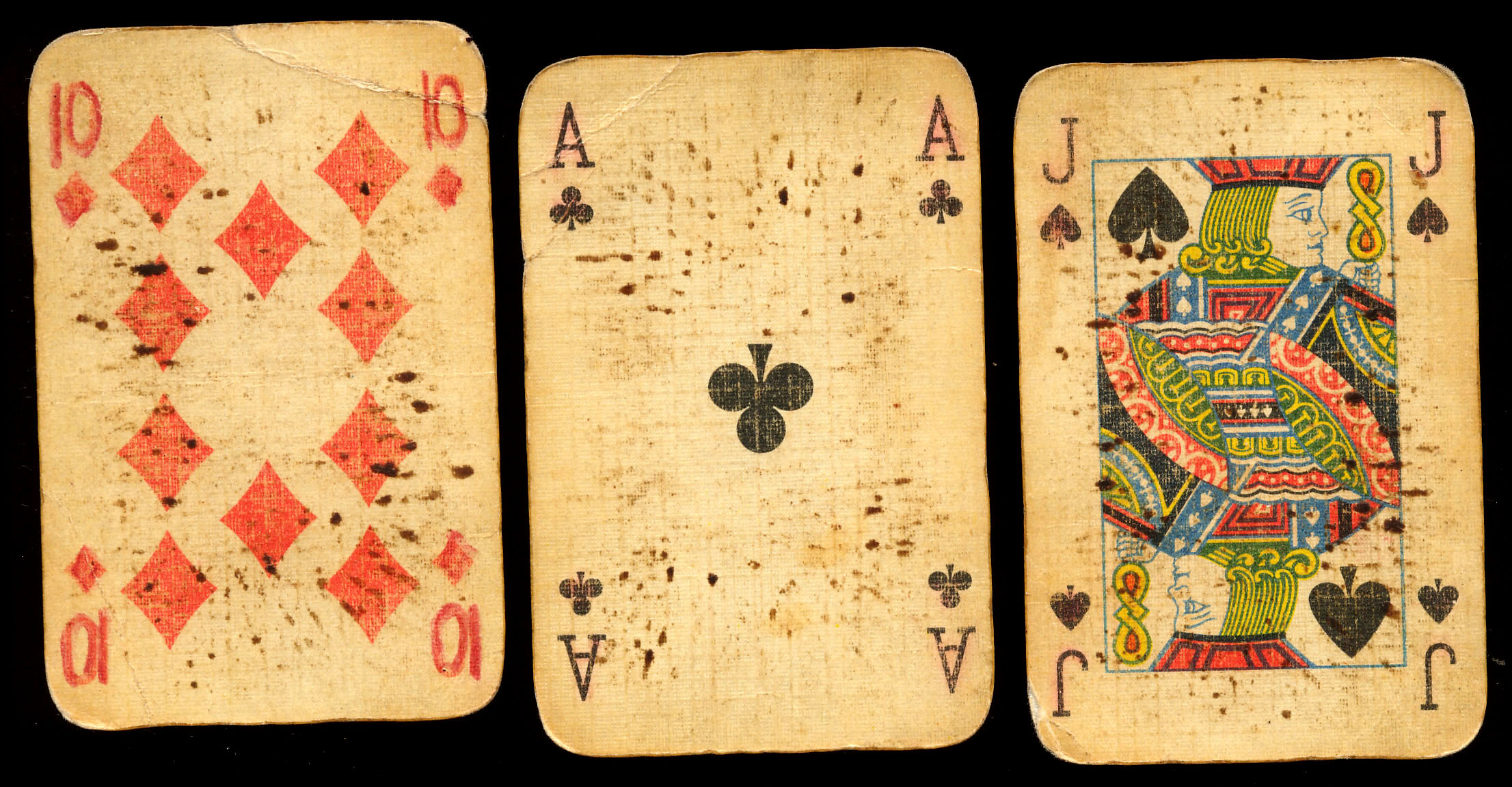
Even when players know the house has an edge, millions flock to the tables every single year.
How Dopamine Fuels the Desire to Bet
A successful wager causes the brain to produce dopamine, rewarding you with a natural high.
Studies show that a near-miss stimulates the brain’s reward pathways almost as effectively as a true victory.
- Dopamine reinforces the desire to keep playing
- Near-misses create a false sense of impending success
- The anticipation of the spin is often more thrilling than the result
Why We Think We Can Beat the Odds
Many gamblers suffer from the illusion of control, believing their actions can influence random events.
Believing a slot machine is ‘due’ to pay out is a classic example of misunderstanding independent events.
| Cognitive Bias | Definition | Example in Casino |
|---|---|---|
| Illusion of Control | Believing you affect random outcomes | Throwing dice harder for high numbers |
| Gambler’s Fallacy | Believing past events affect future ones | Betting on Red because Black hit 5 times |
Awareness of these cognitive biases is crucial for keeping your gaming habits safe and enjoyable.
- ID: 171430
Be the first to review “The Psychology of Gambling: Why We Love the Casino Experience”


Reviews
There are no reviews yet.