
HDPE pipes combined with compression fittings form a versatile and highly practical piping system that capitalizes on the strength and durability of high-density polyethylene while leveraging the simplicity and immediacy of mechanical connections. This pairing is especially valuable in scenarios where thermal fusion is impractical, such as in tight trenches, near flammable materials, or during emergency repairs where time is of the essence. The fundamental operation of an HDPE compression fittings pipe with a compression fitting relies on a straightforward mechanical principle that creates a secure and pressure-tight joint without altering the pipe’s molecular structure. This dual-action mechanism mechanical grip plus rubber seal delivers a joint that is both robust and forgiving, capable of accommodating minor surface imperfections on the pipe and slight misalignments during assembly. The installation process for HDPE pipes with compression fittings is notably efficient and requires minimal equipment, making it an attractive option for projects with tight budgets, remote locations, or urgent timelines. Moreover, because there is no cooling period required, the system can be pressure-tested and placed into service almost immediately after the last fitting is tightened, drastically reducing downtime for repairs or new installations. One of the most compelling advantages of using HDPE pipes with compression fittings is the system’s inherent resistance to corrosion and environmental degradation, which ensures a long service life even in aggressive soil or water conditions. The elastomeric seals are specifically formulated to withstand contact with potable water, wastewater, dilute acids, alkalis, and many industrial chemicals, provided that temperature and concentration limits are observed. The flexibility of HDPE pipe, when combined with the mechanical reliability of compression fittings, yields a system that performs exceptionally well in dynamic environments where ground movement, vibration, or thermal expansion are concerns. Additionally, the smooth internal bore of the HDPE pipe, coupled with the full-flow design of most compression fittings, minimizes friction losses and prevents the buildup of scale or biological matter, ensuring consistent flow rates and low pumping energy costs over the system’s lifetime. The range of configurations available for HDPE pipes with compression fittings is extensive, enabling the construction of complex networks that can be easily adapted or expanded as needs change. Reducing fittings allow for seamless transitions between different pipe diameters, while end caps and plugs provide secure temporary or permanent terminations. The economic benefits of choosing HDPE pipes with compression fittings are substantial, particularly when the total cost of ownership is considered over the project’s full lifecycle. Furthermore, the virtual elimination of leak-related failures, combined with the pipe’s resistance to environmental stress cracking, translates into minimal downtime and lower insurance premiums for system operators. For repair and retrofit applications, the combination of HDPE pipe and compression fittings is virtually unrivaled, offering a fast, dependable solution that minimizes service interruption and extends the life of aging infrastructure. In municipal water networks, this means that a leak can be isolated and repaired in hours rather than days, greatly reducing water loss and customer complaints. In summary, the system of HDPE pipes with compression fittings represents a practical, durable, and cost-effective solution for a wide array of fluid handling challenges across municipal, agricultural, industrial, and mining sectors. As infrastructure ages globally and the demand for rapid, reliable repairs grows, this combination is increasingly recognized as a first-line choice for both new construction and rehabilitation projects.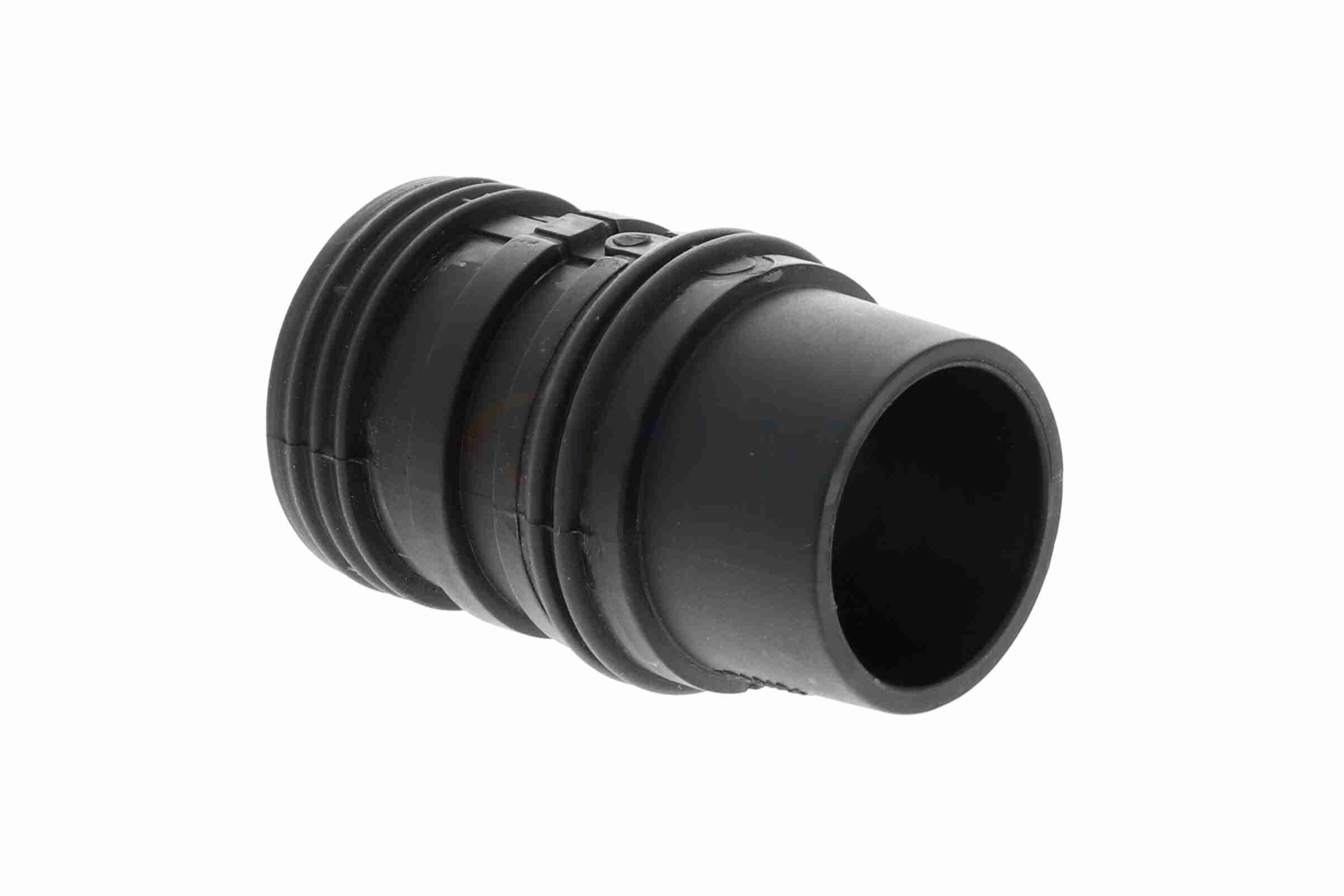
- ID: 222881
Be the first to review “The HDPE Compression Fittings Cheat Sheet”


Reviews
There are no reviews yet.