
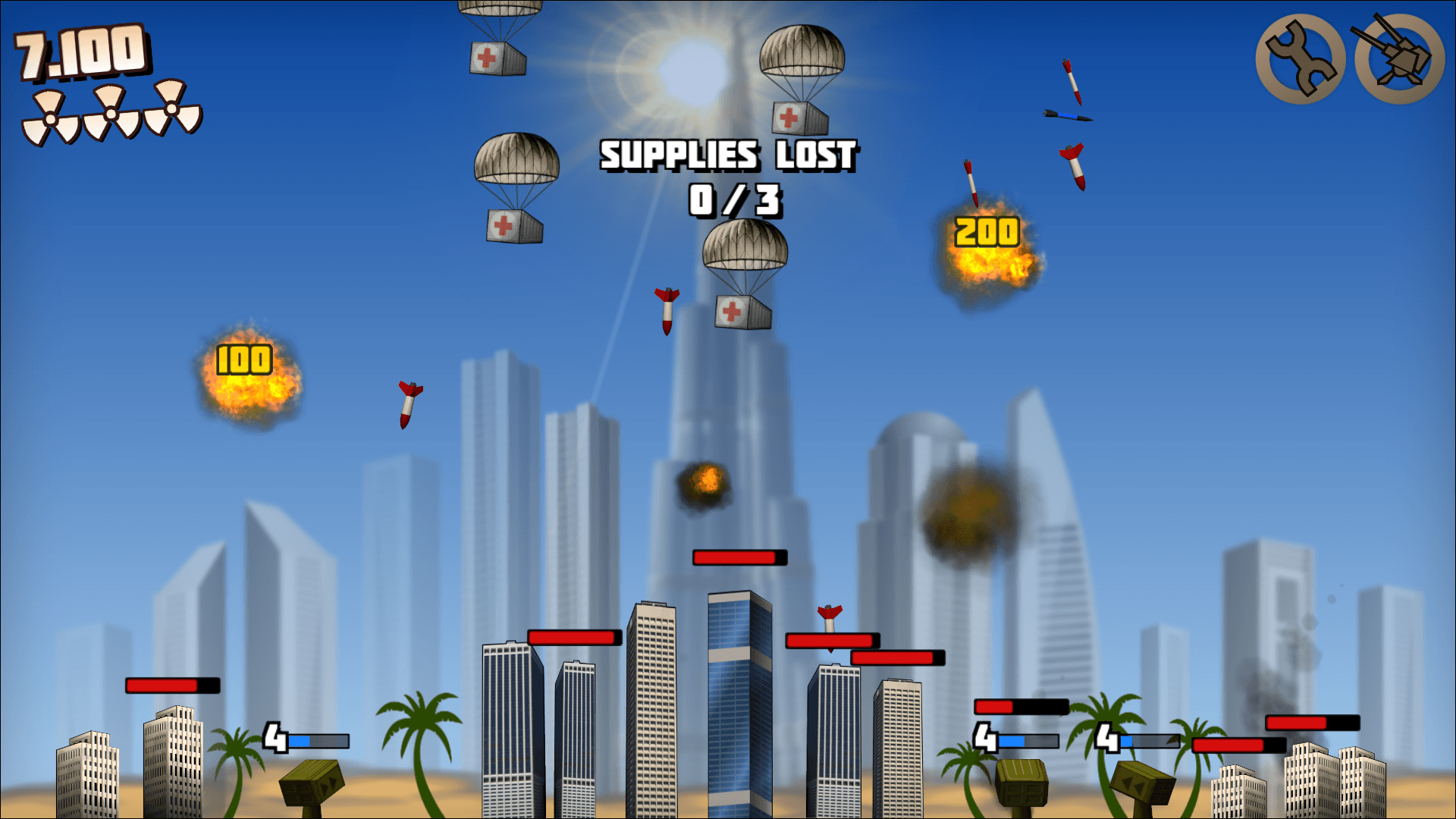
Unlike physical board games or older console titles, these live-service games exist in a constant, perpetual state of evolution and refinement.
This article explores the philosophy behind balance changes, the introduction of new mechanics, and what the future holds for the genre.
Balancing the Arena
When developers announce a ‘Balance Update’, they are essentially tweaking the underlying math of specific cards to bring their win rates closer to a perfect 50%.
A true Grandmaster doesn’t just read the patch notes; they immediately calculate how those new numbers will affect every single interaction in their deck.
- It is guaranteed to be nerfed in the next update.
- Let the pros figure out the new broken interactions first.
- Sometimes a ‘nerf’ is actually a rework.
The Danger of New Cards
To keep the game fresh and generate revenue, developers consistently introduce brand new cards with entirely unique mechanics.
The developers must constantly combat power creep by ensuring new cards have severe, exploitable weaknesses to balance their shiny new mechanics.
| Feature | The Legacy |
|---|---|
| Introduction of ‘Champion’ Abilities | Added a massive layer of micro-management; players now had to time active abilities during combat rather than just placing units |
| Introduction of ‘Evolution’ Mechanics | Allowed classic cards to gain massive power spikes after being cycled a certain number of times, heavily favoring fast cycle decks |
The Constant Evolution
A static game is a dead game. If you loved this article and you also would like to acquire more info relating to tower rush kindly visit the web site. The constant cycle of buffs, nerfs, and new releases is what keeps the arena competitive and engaging.
Evolve or be destroyed.
- ID: 227760
Be the first to review “The Future of Tower Rush: Updates and Balance Changes”


Reviews
There are no reviews yet.