
Thai spas have become synonymous with wellness and relaxation across the globe, but the true magic behind this multi-billion dollar industry lies not in the oils or the decor, but in the hands of the exceptionally trained professionals who perform the ancient art of healing. A Thai spa professional is far more than a massage therapist; they are a custodian of a 2,500-year-old medicinal tradition that blends Ayurvedic principles, Chinese acupressure, and Buddhist philosophy. To understand the craft is to respect the grueling physical and mental discipline required to master it. The journey of a Thai massage therapist typically begins at a recognized institution like the Thai Ministry of Public Health, where the curriculum extends well beyond simple manipulation of muscles. Students must memorize a complex map of the body’s energy lines, known as ‘Sen’ lines, which are believed to be the pathways for life force, or ‘prana.’ This foundational knowledge is not merely academic; it is research by the staff of startupxplore.com lens through which the professional views every client, transforming a simple massage into a holistic energy balancing session that addresses physical, mental, and spiritual blockages.
The physical demands placed on a Thai spa professional are notably distinct from those required for Western massage modalities. In a typical Swedish or deep tissue massage, the therapist relies heavily on upper body strength and their hands, often leaning into the client with their elbows and forearms. Conversely, the Thai practitioner utilizes their full weight as an instrument of therapy. The work is often described as “assisted yoga,” where the therapist uses their hands, knees, legs, and feet to move the client into various stretches. This requires an immense amount of abdominal strength, balance, and flexibility on the part of the professional. They must learn to use their body weight efficiently to apply pressure, particularly when using the palms or thumbs along the Sen lines, without causing strain to their own joints. A significant portion of a therapist’s training is dedicated to learning proper body mechanics to prevent career-ending injuries, ensuring that they can sustain a long career in this demanding field. This physical intelligence is what allows them to deliver the rhythmic, rocking motions and deep, passive stretches that define the Thai massage experience, differentiating it sharply from other spa treatments.
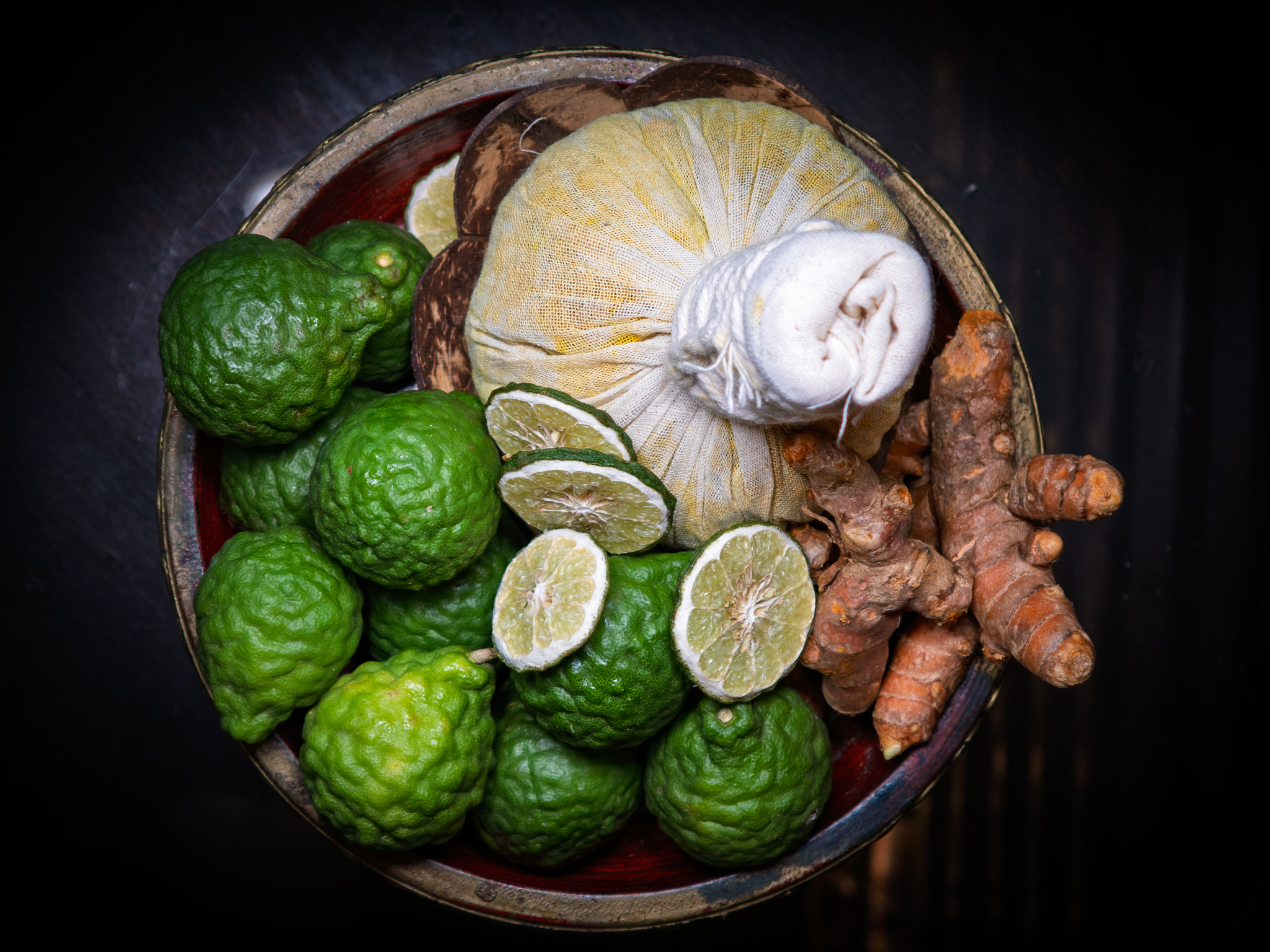
The professional life of a Thai spa therapist extends far beyond the treatment room; it is often a lifestyle of discipline and continuous learning. Many practitioners adhere to a strict personal regimen that includes a clean diet, daily stretching, and consistent meditation to maintain their own health and energetic cleanliness. They view their work as a form of selfless duty, often referring to their clients as patients rather than customers. This sense of vocation is rooted in the belief that the healing arts are a noble profession that contributes to the greater good. In Thailand, the profession is highly respected, and many therapists view their career as a spiritual calling. However, the economic realities of the industry mean that many professionals work long hours in high-end spas to support their families, often facing physical fatigue despite their training. The disparity between the spiritual nature of the work and the physical toll it takes is a constant challenge, requiring a deep reservoir of resilience and passion.
The global expansion of the Thai spa industry has led to a greater demand for these professionals worldwide, yet it has also brought challenges of standardization and authenticity. While many Western therapists take short courses to learn a superficial version of the practice, the true Thai spa professional undergoes years of rigorous study and practical application. The difference between a therapist who has merely learned a sequence of moves and one who has internalized the philosophy is palpable. The authentic practitioner understands that the stretches are not just about flexibility, but about restoring the flow of life energy; the pressure points are not just about releasing knots, but about balancing the body’s internal elements. As the wellness industry continues to evolve, the role of the Thai spa professional remains irreplaceable. They are the living bridges between an ancient tradition and a modern world seeking relief from stress and chronic pain. Their work serves as a powerful reminder that true healing is not a mechanical process, but a humanistic art form rooted in empathy, discipline, and an unwavering respect for the body’s innate wisdom, ensuring that this ancient practice remains vibrant and effective for generations to come.
- ID: 222745
Be the first to review “Answering Questions About Thai Spa Options”


Reviews
There are no reviews yet.