
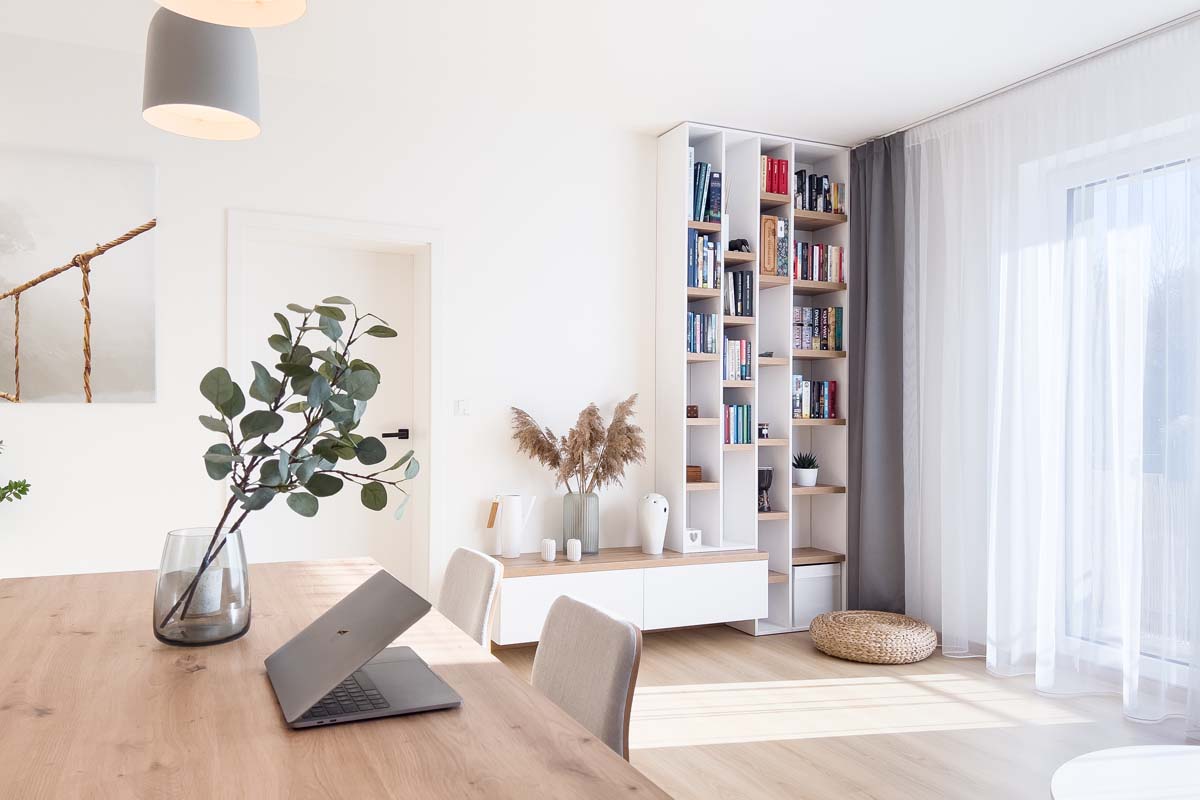
 Finally, do not ignore the frame as a tactile element. A wood frame with visible grain adds texture. A matte black metal frame feels graphic and modern. In a room where the only softness comes from the velvet upholstery of your seating, a hard, angular mirror frame creates a welcome tension. I once saw a space where a massive round mirror with a brass rim sat above a narrow console table. The reflection caught a sliver of the kitchen window and a bit of the breakfast bar. It made the whole apartment feel connected, even though the walls were solid. That is the real skill. You are not just hanging glass. You are opening a second window where there was none, and doing it with st
Now, let me talk about a specific challenge I faced in a small condo. The bathroom was only 4 by 6 feet, and I wanted to maximize the sense of space. I chose large-format tiles, 12 by 24 inches, in a soft beige. These tiles have fewer grout lines, which tricks the eye into seeing a bigger floor. But large tiles a perfectly flat substrate. My floor had a slight dip near the drain, and the tile cracked when I stepped on it after the thinset dried. I had to pull it up and use a self-leveling compound, then let it cure for 24 hours before trying again. Another option for small bathrooms is to use the same tile on the floor and the shower walls. This continuity makes the room feel like one continuous surface, which is especially effective when you incorporate a bed with storage underneath in the adjacent bedroom, keeping clutter out of sight.
Your feet remember the first time they touched a real hardwood floor. Not the click-lock laminate that sounds hollow, not the vinyl planks that feel like stiff rubber. Real wood. Wide planks of white oak, hand-scraped so the grain catches light differently at four in the afternoon versus nine at night. I installed them in my own 45-square-meter apartment three years ago, and the change was immediate. The room breathed. The old beige carpet had trapped dust, pet dander, and a faint smell of previous tenants. Now I walk barefoot across the warmth of the oak, and it grounds me. But here is the problem that hit me after the last plank was clicked into place: where does an overnight guest sleep when the bedroom is a fold-out couch in the living room? Hardwood flooring does not forgive a flimsy roll-out mattr
The first contender was a simple pull-out sofa. Standard mechanism, cotton upholstery, about 180 centimeters long. I tried it in a showroom. The mattress was okay for a nap, but the metal bar across the middle of the frame dug into your spine if you slept on your side. And the whole thing weighed so much that I had to ask a neighbor to help me move it three centimeters to vacuum underneath. The hardwood flooring looked pristine, but the sofa was a heavy beast that refused to cooperate. I returned it after two nights of testing. The showroom clerk raised an eyebrow when I told her why. She suggested a click-clack mechanism instead, and that sentence changed my approach to small-space living entir
After two years of tweaking, my small apartment now welcomes guests comfortably. The sofa bed with its click-clack mechanism and foam mattress sleeps two without complaints. The bed with storage hides all the clutter. The velvet upholstery still looks new after a quick vacuum. But the real test came when my brother crashed for a month while apartment hunting. He told me the sofa was more comfortable than his old mattress, and he loved how the room felt like a peaceful retreat rather than a cramped living space. That is the magic of boho done right. It is not about following trends. It is about creating a home that works for your life, with all its imperfections, guests, and late-night conversations. Start with one good piece like a pull-out sofa and build from there. The rest will come together naturally.
The key is to start with a solid foundation. I chose a neutral base of warm beige and terracotta for the walls, then built up layers with textiles. A large wool kilim rug anchors the space, while linen curtains filter harsh sunlight into a soft glow. But the real challenge came when my sister announced she was visiting for a week. My apartment had no spare bedroom, and I did not want to blow my budget on a hotel. That is when I invested in a high-quality sofa bed with a 16 cm foam mattress. The foam mattress was firm enough for sleeping but soft enough for lounging, and the slatted frame underneath provided proper support. I paired it with plush velvet upholstery in a deep emerald green, which added a rich pop of color without overwhelming the room. The velvet upholstery feels luxurious against the skin, and it hides spills better than cotton. During the day, the sofa bed stays folded, covered in a mix of embroidered throw pillows and a chunky knit blanket.
I have hosted four overnight guests since I set this system up. Each one commented on the floor first. They would walk in, kick off their shoes, and remark on the smooth grain underfoot. Then they would sit on the velvet sofa, test the click-clack mechanism with a curious lean, and realize it was more than a couch. One friend, a carpenter from Portland, tapped the slatted frame with his knuckle and nodded. He said it was better built than the fold-out in his own guest room. That validation felt good. But the real test came when my tall cousin, who is 193 centimeters, stayed for three nights. He slept on that pull-out sofa with his feet hanging off the edge, and still he woke up rested. The foam mattress did not sag. The slatted frame did not creak. The hardwood flooring underneath stayed quiet and so
- ID: 142637
Be the first to review “Light, Space, and a Second Life for Your Walls: The Art of the Decorative Mirror”


Reviews
There are no reviews yet.