
Navigating the world of Exterior house paint paints can often feel like stepping into a labyrinth of sheens, bases, and technical jargon. While most homeowners focus on color, the true distinction between paints lies in their chemical formulation and the specific role they are designed to play. The primary function of any paint is to provide a durable film that shields surfaces from moisture, UV radiation, and physical wear, all while delivering an aesthetic finish. The liquid component, historically water or oil, controls the application process and drying time, with modern water-based formulations dominating the residential market for their ease of use and low odor.
For decades, oil-based paints were the gold standard for trim and cabinetry due to their hard, smooth finish, but they have largely been supplanted by advanced water-based technologies. Water-based paints have evolved tremendously, now featuring advanced resins that mimic the flow and leveling characteristics of oil-based products. Oil-based paints, while still prized for their rock-hard finish on high-traffic woodwork, are more brittle and prone to cracking over time, not to mention the strong fumes and the need for mineral spirits for clean-up. The environmental impact is another decisive factor; water-based paints have a much lower concentration of volatile organic compounds (VOCs), making them safer for both the applicator and the indoor air quality of the home.
Between these extremes are eggshell, satin, and semi-gloss, each offering a compromise between washability and the ability to conceal surface flaws. Flat paints are typically recommended for ceilings and low-traffic adult bedrooms because they provide a sophisticated, velvety look but are notoriously difficult to clean. High-gloss paints, while extremely durable and easy to clean, are rarely used on walls because they highlight every dent and roller mark, making them better suited for doors, cabinets, and trim. Choosing the correct sheen is a balancing act; a satin finish on a wall might look stunning in a showroom, but if your walls are heavily textured, the light reflection could create a harsh, unappealing glare.
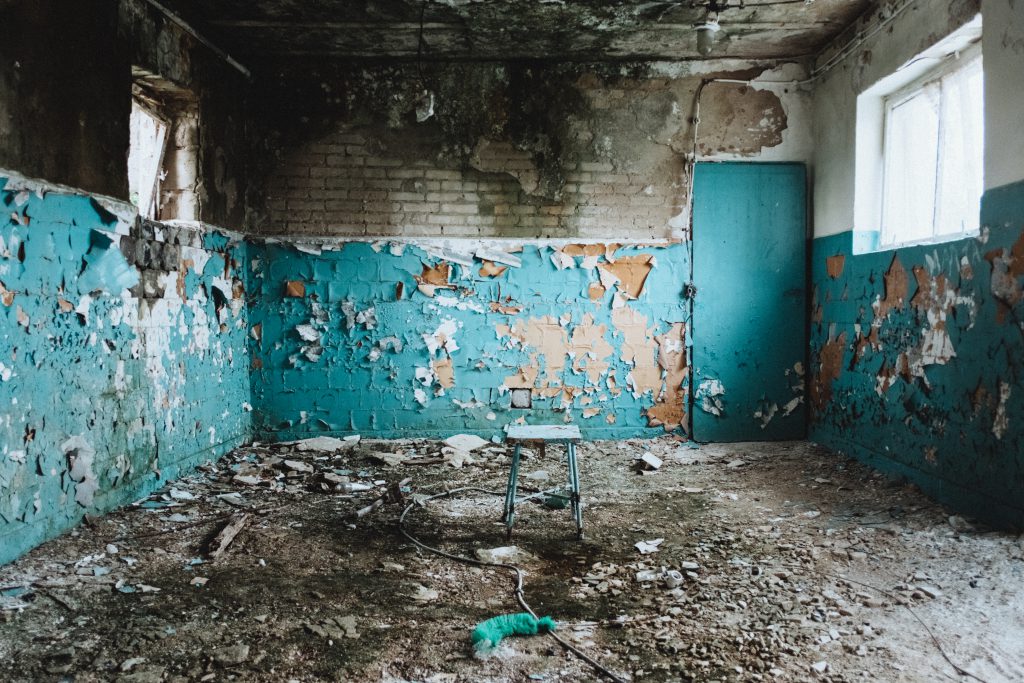 The most expensive paint in the world will fail if applied to a dirty, chalky, or improperly primed surface. Primer serves as the bridge between the raw surface and the topcoat, sealing porous materials like drywall and wood to ensure a uniform finish. Using a primer is non-negotiable when painting over stains, water damage, or a dark existing color, as it prevents bleed-through and provides a blank canvas for the new color. Many premium paints on the market today are marketed as “paint and primer in one,” which can reduce application time for color changes over similarly toned surfaces, but they are rarely a true substitute for a dedicated primer when dealing with problematic surfaces.
Cheap brushes often shed bristles into the wet paint, and cheap rollers can leave a stippled texture that is very difficult to correct. A skilled painter will tell you that the tool is an extension of the paint itself; a good brush holds more paint and releases it more smoothly, minimizing brush marks and streaking. When calculating the total expense of a room makeover, many DIYers focus solely on the price of the gallons, overlooking the cost of brushes, rollers, drop cloths, tape, and primer.
Low-VOC and zero-VOC paints are no longer niche products but are becoming the standard choice for many homeowners, particularly those with children, pets, or respiratory sensitivities. While these green options were once criticized for poor coverage and durability, technological advancements have closed the performance gap considerably. Today’s low-VOC paints rival their conventional counterparts in washability and color retention, though they often still carry a slight premium in price. Ultimately, selecting the right house paint is about understanding the interplay between the substrate, the environment, the desired aesthetic, and the practical need for durability. By taking the time to evaluate these elements, you ensure that your paint job not only looks beautiful on the first day but continues to protect and enhance your home for years to come.
- ID: 149947
Be the first to review “The Idiot’s Guide To Building Paints Explained”


Reviews
There are no reviews yet.