
HDPE pipes combined with compression fittings form a versatile and highly practical piping system that capitalizes on the strength and durability of high-density polyethylene while leveraging the simplicity and immediacy of mechanical connections. The marriage of these two components allows for a fully plastic piping network that is resistant to corrosion, scale, and chemical attack, yet remains easy to install and modify using standard hand tools. The fundamental operation of an HDPE pipe with a compression fitting relies on a straightforward mechanical principle that creates a secure and pressure-tight joint without altering the pipe’s molecular structure. this content dual-action mechanism mechanical grip plus rubber seal delivers a joint that is both robust and forgiving, capable of accommodating minor surface imperfections on the pipe and slight misalignments during assembly. The installation process for HDPE pipes with compression fittings is notably efficient and requires minimal equipment, making it an attractive option for projects with tight budgets, remote locations, or urgent timelines. The entire procedure from pipe preparation to final tightening typically takes only a few minutes per joint, allowing installation crews to cover substantially more distance in a workday compared to fusion methods. One of the most compelling advantages of using HDPE pipes with compression fittings is the system’s inherent resistance to corrosion and environmental degradation, which ensures a long service life even in aggressive soil or water conditions. The elastomeric seals are specifically formulated to withstand contact with potable water, wastewater, dilute acids, alkalis, and many industrial chemicals, provided that temperature and concentration limits are observed. The flexibility of HDPE pipe, when combined with the mechanical reliability of compression fittings, yields a system that performs exceptionally well in dynamic environments where ground movement, vibration, or thermal expansion are concerns. Additionally, the smooth internal bore of the HDPE pipe, coupled with the full-flow design of most compression fittings, minimizes friction losses and prevents the buildup of scale or biological matter, ensuring consistent flow rates and low pumping energy costs over the system’s lifetime. The range of configurations available for HDPE pipes with compression fittings is extensive, enabling the construction of complex networks that can be easily adapted or expanded as needs change. Standard components include straight couplers for extending pipe runs, 90-degree and 45-degree elbows for routing around obstacles, and tee fittings for distributing flow to multiple branches. The economic benefits of choosing HDPE pipes with compression fittings are substantial, particularly when the total cost of ownership is considered over the project’s full lifecycle. Furthermore, the virtual elimination of leak-related failures, combined with the pipe’s resistance to environmental stress cracking, translates into minimal downtime and lower insurance premiums for system operators. For repair and retrofit applications, the combination of HDPE pipe and compression fittings is virtually unrivaled, offering a fast, dependable solution that minimizes service interruption and extends the life of aging infrastructure. The ability to join HDPE to dissimilar materials using transition compression fittings also simplifies the gradual upgrade of systems, allowing new HDPE sections to be integrated with existing pipelines piece by piece without a complete shutdown. In summary, the system of HDPE pipes with compression fittings represents a practical, durable, and cost-effective solution for a wide array of fluid handling challenges across municipal, agricultural, industrial, and mining sectors. Ultimately, the decision to utilize HDPE pipes with compression fittings is a sound investment in resilience, operational efficiency, and long-term value, ensuring that critical fluid systems remain secure and functional for generations to come.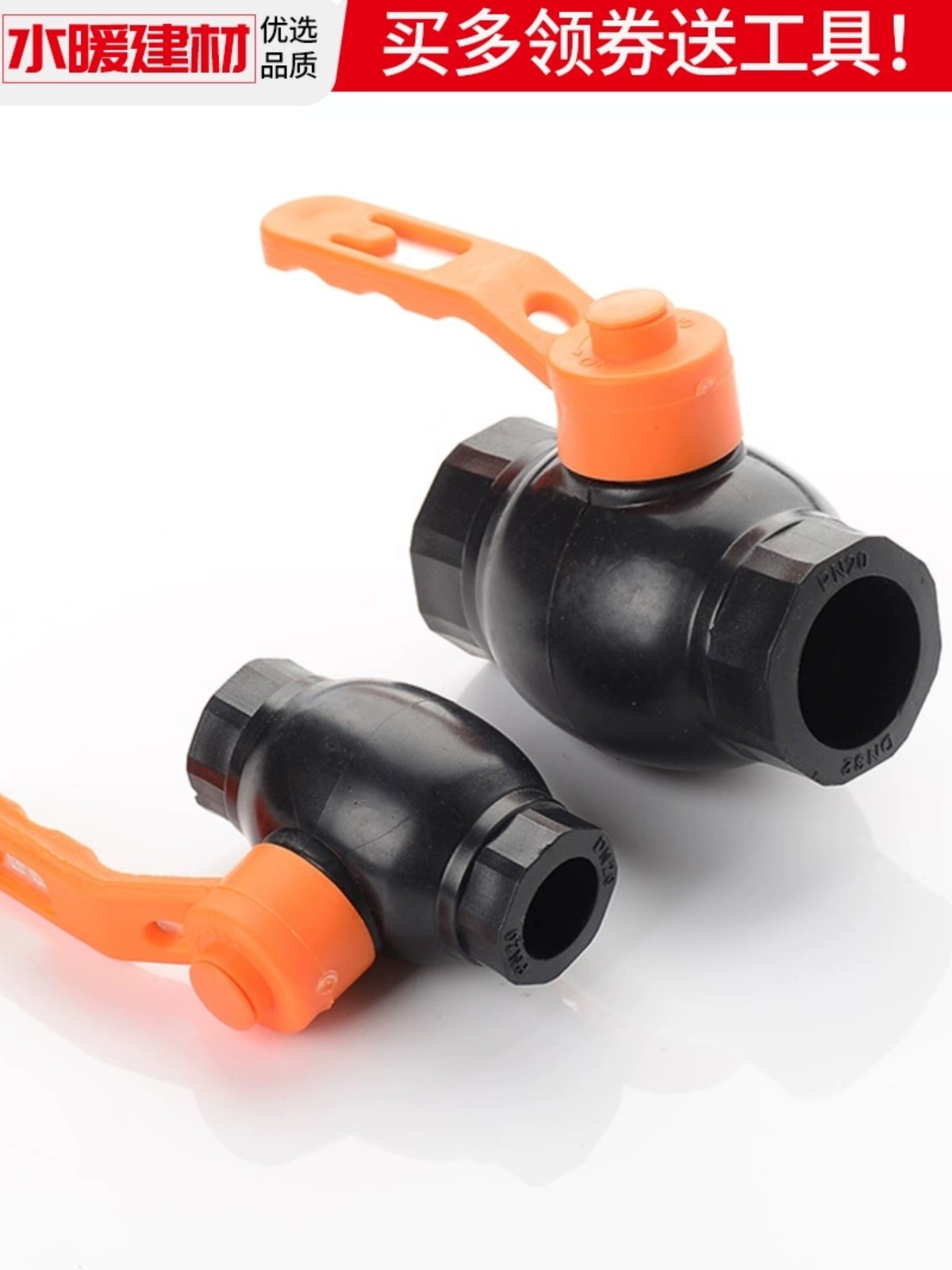
- ID: 222841
Be the first to review “The Most Common Mistakes People Make With PE Pipe Fittings”


Reviews
There are no reviews yet.